Every year on March 8th, the world pauses to acknowledge International Women's Day. For many, it's a moment of celebration, recognizing the incredible achievements of women across all facets of life. Yet, to truly grasp the women's day meaning, we must look beyond the accolades and delve into its profound historical roots and its ongoing, critical relevance for achieving genuine equality. It's a day that transcends mere festivity, serving as a powerful reminder of how far we've come, and more importantly, how much further we still need to go.
The Deep Roots of International Women's Day: A Century of Struggle and Progress
International Women's Day (IWD) isn't just a modern phenomenon; its origins are steeped in the passionate struggles of labor movements at the turn of the 20th century. While officially recognized by the United Nations in 1977, the seeds of this global observance were planted much earlier. Picture the bustling streets of New York in 1908, where thousands of women textile workers marched, demanding better wages, shorter working hours, and the fundamental right to vote. This powerful demonstration, organized by the Socialist Party of America, illuminated the dire conditions and lack of basic rights faced by working women.
Inspired by these American movements, European nations soon followed suit. The first official International Women's Day was celebrated on March 19, 1911, across several European countries and the United States, galvanizing support for women's suffrage and improved working conditions. Over the decades, this observance transformed from a national call to action into a global phenomenon. The four transformative United Nations women's conferences played a pivotal role in strengthening the international women's movement, solidifying IWD as a crucial platform for advocating women's rights and ensuring their participation in political and economic spheres worldwide.
To fully appreciate the journey and evolution of this significant day, it's worth exploring its detailed origins. Learn more about its historical trajectory by reading International Women's Day: Tracing Its Roots from Labor Activism to Global Impact.
Beyond Pink and Parades: Unpacking the True Women's Day Meaning
While celebrations often involve recognition of achievements, the true women's day meaning extends far deeper than accolades and festive events. It is a dual-purpose day: a moment to celebrate remarkable accomplishments and, critically, a powerful rallying point to confront persistent inequalities and mobilize support for a more equitable future. This global dimension means IWD is relevant for women in developed and developing countries alike, acknowledging their contributions irrespective of national, ethnic, linguistic, cultural, economic, or political divides.
- Recognition of Contributions: IWD highlights the profound social, economic, cultural, and political contributions women have made, and continue to make, to society. From groundbreaking scientific discoveries to essential care work, women's impact is immense and often undervalued.
- Awareness of Inequalities: The day serves as a stark reminder of the gender disparities that still permeate societies globally. It brings to the forefront issues like the gender pay gap, underrepresentation in leadership, lack of access to education, and gender-based violence.
- Mobilization for Rights: IWD is a catalyst for action, encouraging efforts to eliminate gender-based discrimination and promote women's empowerment. It's an opportunity to advocate for policies and systemic changes that ensure equal rights and opportunities for all women and girls.
- A Global Solidarity: It fosters a sense of global sisterhood and solidarity, uniting people from all backgrounds in the common pursuit of gender equality. It's a day for collective reflection and renewed commitment to the cause.
Understanding the multifaceted layers of this observance allows us to engage with it more meaningfully. For a deeper dive into what this day truly represents, explore What International Women's Day Truly Means: Achievements, Rights, and Future.
Why International Women's Day Still Resonates in the Quest for Equality
Some might wonder, with all the progress made, why do we still need International Women's Day? The answer lies in the harsh reality that equality, as the UN Women states, "never arrives" without constant vigilance and dedicated effort. Women's rights, hard-won over centuries, remain fragile and susceptible to erosion, especially when justice systems are under strain. Conflict, repression, and political tensions globally often weaken the rule of law, disproportionately affecting women and girls.
Consider the devastating impact when women are turned away from justice, not believed in legal settings, revictimized by inadequate systems, or priced out of essential legal support. These systemic failures mean that the promise of equality remains an elusive dream for millions.
Beyond the legal framework, significant disparities persist:
- Economic Inequality: The global gender pay gap means women, on average, still earn less than men for work of equal value. Women are also overrepresented in precarious, low-wage work and underrepresented in senior leadership positions across most industries.
- Political Underrepresentation: Despite progress, women continue to be underrepresented in parliaments, governments, and decision-making bodies worldwide. Their voices are crucial for shaping policies that reflect the needs of diverse populations.
- Gender-Based Violence: Violence against women and girls remains a pervasive global issue, manifesting in various forms from domestic abuse and sexual violence to human trafficking and harmful practices like child marriage.
- Access to Resources: In many parts of the world, women and girls face barriers to accessing education, healthcare, and digital technologies, which are essential for personal development and economic empowerment.
- Climate Change Disproportionately Affects Women: Women, especially those in developing nations, are often on the front lines of climate change impacts due to their roles in agriculture and resource management, yet they are excluded from critical climate policy discussions.
These challenges underscore that IWD is not merely a historical observance; it is an urgent, annual call to renew commitments, challenge biases, and accelerate action towards a world where gender equality is not just an aspiration but a lived reality for everyone.
Translating Celebration into Action: How to Embrace the Spirit of IWD
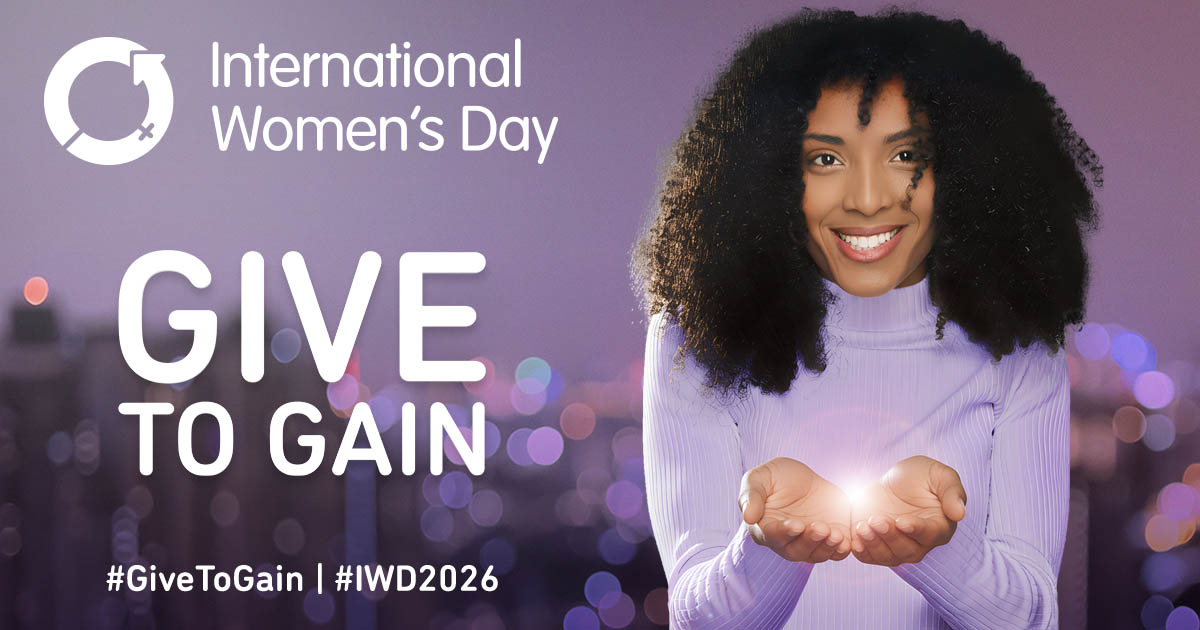
So, what does the profound women's day meaning call us to do? It calls us to move beyond passive acknowledgment to active engagement. Each year, IWD adopts a specific theme to focus global efforts, such as 2026's "Give to Gain" campaign, which inspires a spirit of generosity towards women's causes and collective action. Here's how individuals, organizations, and governments can translate the spirit of IWD into tangible progress:
For Individuals:
- Educate Yourself: Learn about women's rights issues, both globally and locally. Understand the historical context and ongoing challenges.
- Challenge Stereotypes: Speak out against sexism, misogyny, and gender stereotypes in conversations, media, and daily life. Your voice matters.
- Support Women-Owned Businesses: Consciously choose to support enterprises led by women, contributing to their economic empowerment.
- Mentor and Advocate: If you're in a position to do so, mentor young women and girls, or advocate for policies that promote equality in your workplace or community.
- Donate to Women's Causes: Support reputable organizations working to advance women's rights, provide legal aid, or combat gender-based violence.
For Organizations and Governments:
- Implement Equitable Policies: Introduce and enforce policies that ensure equal pay for equal work, provide adequate parental leave, and protect against discrimination and harassment.
- Promote Women in Leadership: Actively work to increase women's representation in leadership roles and decision-making positions.
- Invest in Women's Health and Education: Allocate resources to ensure universal access to quality healthcare, including reproductive health services, and educational opportunities for girls and women.
- Strengthen Justice Systems: Ensure legal frameworks protect women's rights and that justice systems are accessible, responsive, and free from bias for all women and girls.
- Foster Inclusive Cultures: Create workplaces and communities where diversity is celebrated, and every individual feels safe, respected, and valued.
International Women's Day is much more than a date on the calendar; it is a powerful annual reminder of the journey towards gender equality. It honours the pioneers who fought for fundamental rights and energizes the ongoing fight for a truly equitable world. By understanding the deep women's day meaning, we are called not just to celebrate, but to critically reflect, advocate, and take tangible actions every day. Only then can we move beyond mere celebration to truly realize a future where women's rights are respected, their contributions are valued, and equality is a lived reality for everyone, everywhere.