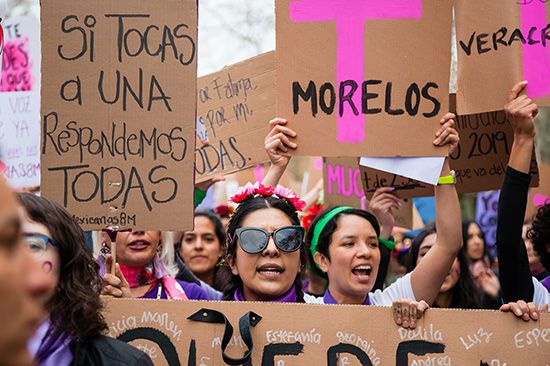
What International Women's Day Truly Means: Achievements, Rights, and Future
International Women's Day (IWD), celebrated annually on March 8th, is far more than just a date on the calendar; it's a powerful global focal point. For many, it's a day of celebration, marked by gifts or acknowledgments. However, the true
women's day meaning runs much deeper, encompassing a rich history of struggle, a vibrant present of recognition and advocacy, and a forward-looking vision for an equitable future. It's a day to acknowledge the monumental contributions of women across all facets of life, raise urgent awareness about persistent inequalities, and mobilize collective action for lasting change.
The Historical Tapestry: Unveiling the True Women's Day Meaning
To fully grasp the contemporary
women's day meaning, we must journey back to its origins. International Women's Day did not emerge from a top-down decree but from the groundswell of labor movements at the turn of the 20th century. In North America and across Europe, working women, often facing grueling conditions, low wages, and a complete lack of political voice, began to organize.
One pivotal moment, often cited as an inspiration, was the 1908 march of women textile workers in New York. These brave women took to the streets, demanding better wages, shorter working hours, and the fundamental right to vote – an audacious call for its time. Led in part by the Socialist Party of America, these early demonstrations laid the groundwork for what would become a global movement. The first official Women's Day was celebrated in the United States and several European countries on March 19, 1911.
What began as a localized labor protest soon swelled into a broader international call for women's rights. The United Nations officially recognized International Women's Day in 1977, though they first celebrated it on March 8, 1975. This recognition marked a crucial turning point, elevating the day from a grassroots initiative to a global observance, now acknowledged in countless countries worldwide. The evolving international women's movement, significantly bolstered by a series of four global UN women's conferences, transformed IWD into a vital rallying point for building support for women's participation in political and economic arenas. For a deeper dive into these foundational moments, read about
International Women's Day: Tracing Its Roots from Labor Activism to Global Impact.
Celebrating Achievements, Demanding Rights: The Dual Purpose of IWD
The essence of the
women's day meaning lies in its dual, interconnected purpose: to celebrate the indelible contributions of women while simultaneously advocating for their rights and gender equality. On March 8th, we pause to acknowledge the social, economic, cultural, and political achievements of women, regardless of national, ethnic, linguistic, or economic divisions. From groundbreaking scientific discoveries to artistic masterpieces, from leading nations to nurturing communities, women's impact is undeniable and woven into the fabric of human progress.
However, celebration alone is insufficient. IWD serves as a powerful platform to shine a spotlight on the systemic inequalities that persist globally. It's a day to raise awareness about gender-based discrimination and to mobilize support for a future where women enjoy genuinely equal rights and opportunities. The hard-won gains of past generations are not always secure. As the UN Women remind us, "Women’s rights mean nothing if we cannot defend them." This underscores the continuous need for vigilance and advocacy.
The four global UN women's conferences have been instrumental in strengthening this movement, ensuring that the dialogue around women's rights remains at the forefront of the international agenda. They provide a framework for nations to commit to gender equality, urging them to translate rhetoric into concrete policies and actions that empower women and dismantle barriers. It's a constant push for progress, reminding us that equality is not a destination achieved but a journey continuously undertaken.
Navigating Present Challenges and Forging a Future of Equality
Despite significant strides, the journey toward full gender equality is far from over. The contemporary
women's day meaning must, therefore, grapple with current realities and pressing challenges. We live in an era where justice systems globally are under immense strain. Conflict, repression, and political tensions are eroding the rule of law, creating environments where women and girls are disproportionately affected and often left vulnerable.
In many contexts, women seeking justice face immense obstacles: they are turned away, disbelieved, revictimized, or simply priced out of legal support. This systematic undermining of their access to justice means that for countless women, genuine equality remains a distant dream. The fight against gender-based violence, economic disparity, and political underrepresentation is ongoing and requires renewed vigor.
Each year, IWD adopts a theme to focus global attention on a specific aspect of this struggle. For instance, the proposed 2026 theme, "Give to Gain," inspires a spirit of generosity, urging individuals and organizations to contribute their time, resources, and empathy to advance women's empowerment. This theme beautifully encapsulates the forward-looking aspect of IWD – encouraging active participation and investment in a more equitable world. It’s a call to action, reminding us that contributing to women's progress benefits all of society. The ongoing relevance of this advocacy is explored further in
Beyond Celebration: Why International Women's Day Still Matters for Equality.
How You Can Contribute to the Spirit of IWD Every Day
The profound
women's day meaning isn't confined to a single day; its spirit is meant to infuse our actions every day of the year. Here are some practical ways you can contribute to fostering a more equitable world:
- Educate Yourself and Others: Take the time to learn about women's history, current global challenges, and the incredible achievements of women past and present. Share this knowledge to inspire and inform.
- Amplify Women's Voices: Actively seek out and support women leaders, artists, scientists, entrepreneurs, and thinkers. Ensure their perspectives are heard and valued in your community and workplace.
- Challenge Bias and Discrimination: Be a vigilant ally. Call out sexist jokes, discriminatory practices, and unconscious biases when you encounter them, whether in person or online.
- Support Women-Owned Businesses and Initiatives: Direct your economic power towards enterprises led by women or organizations dedicated to women's empowerment. This tangible support helps create economic independence and opportunity.
- Mentor or Be Mentored: If you are in a position to do so, mentor a young woman or girl. Conversely, seek out mentors who can guide your own professional and personal growth. Building networks of support is crucial.
- Advocate for Policy Change: Support legislation and initiatives that promote gender equality, such as equal pay, paid parental leave, and protections against gender-based violence. Your voice in advocating for systemic change is powerful.
- Practice Generosity and Empathy: Embrace the "Give to Gain" spirit by volunteering your time, sharing your resources, or simply offering empathy and understanding to those facing unique challenges because of their gender.
International Women's Day stands as a testament to both how far we've come and how much further we still need to go. Its enduring
women's day meaning encompasses the celebration of historical achievements, the unwavering demand for rights, and a collective commitment to building a future free from discrimination and inequality. By understanding its roots and actively participating in its ongoing mission, each of us can play a vital role in ensuring that the vision of gender equality becomes a lived reality for all. It is a powerful reminder that the fight for women's rights is a fight for human rights, essential for a just and prosperous world.