International Women's Day: Tracing Its Roots from Labor Activism to Global Impact
Every year on March 8th, the world pauses to observe International Women's Day (IWD), a moment dedicated to celebrating the remarkable achievements of women across all facets of life. Far from being a mere date on the calendar, understanding the true
women's day meaning requires delving into its rich history, a tapestry woven from the threads of early labor movements and evolving into a powerful global platform for gender equality and human rights. It's a day that transcends national, ethnic, linguistic, cultural, economic, or political divides, uniting people in the shared pursuit of a more equitable world.
The Genesis of a Movement: From Labor Strife to Collective Voice
The origins of International Women's Day are deeply embedded in the tumultuous social and economic landscape of the early 20th century, a period marked by burgeoning industrialization and widespread labor unrest. The spark for what would become a global observance was ignited by the tireless efforts of women textile workers in North America and across Europe. These pioneering women faced grueling conditions: excessively long hours, abysmal wages, and dangerous workplaces, all while being denied fundamental rights, including the most basic – the right to vote.
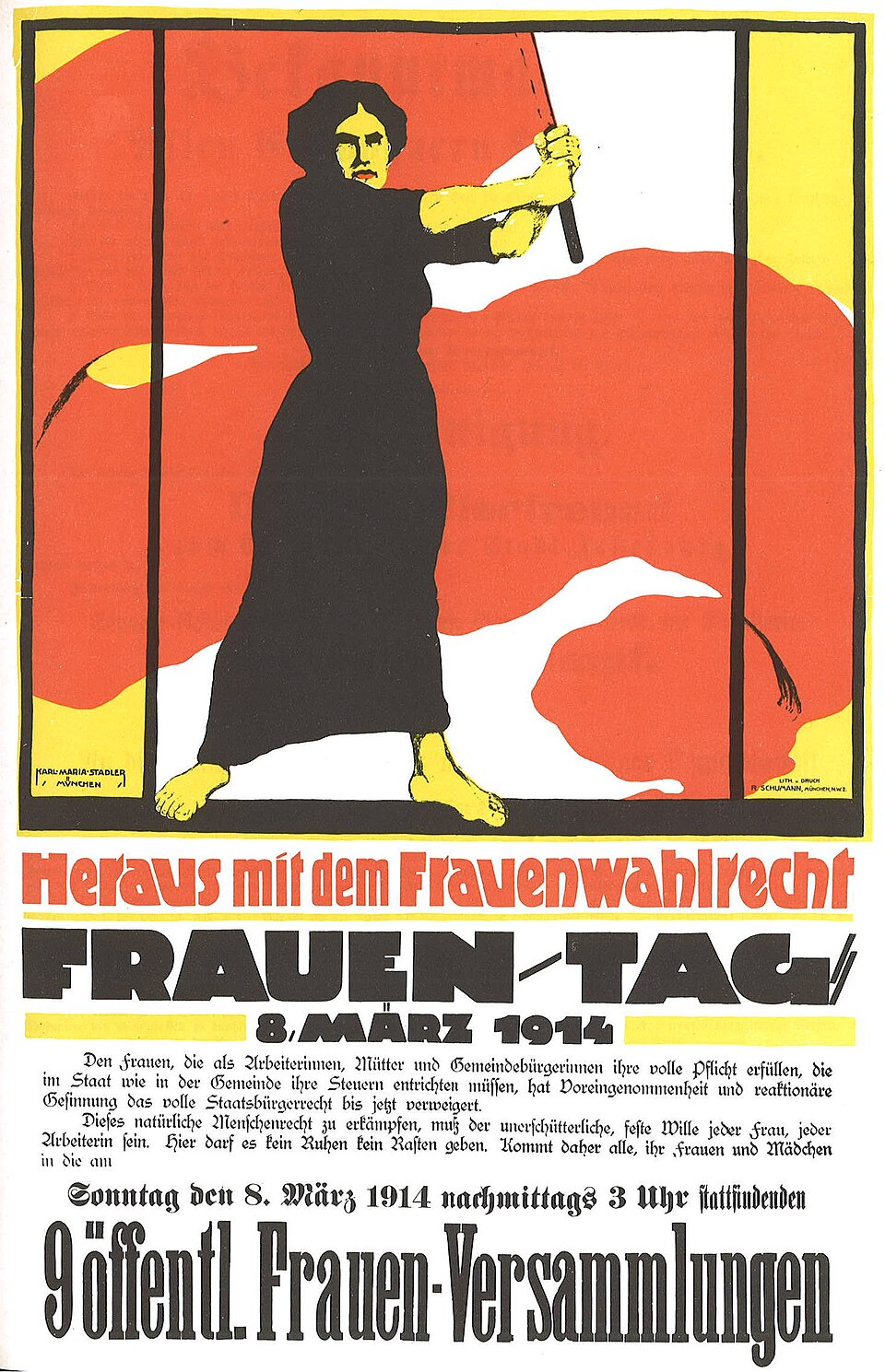
It was amidst this fervent atmosphere of injustice that the idea for a dedicated day emerged. In 1908, a pivotal moment occurred when thousands of women textile workers in New York City took to the streets, marching vehemently to demand better pay, a reduction in their working hours, and the enfranchisement that was their due. This potent display of collective power, spearheaded by the Socialist Party of America, resonated deeply and quickly catalyzed similar movements. The following year, the first National Woman's Day was observed in the United States. The concept gained further traction in Europe, leading to the first official celebration of International Women's Day on March 19, 1911, across several European nations, including Austria, Denmark, Germany, and Switzerland, where over a million people participated in rallies advocating for women's rights to work, vote, hold public office, and end discrimination. This initial surge of activism laid the foundational
women's day meaning: a powerful call for justice and fundamental rights.
The United Nations and the Global Stage: Formal Recognition and Amplified Advocacy
While the spirit of International Women's Day had been alive for decades, its global reach and formal recognition truly accelerated with the involvement of the United Nations. In 1975, the UN officially declared March 8th as International Women's Day, solidifying its place on the international agenda. This recognition was a monumental step, transforming what was once a series of regional protests into a universally acknowledged day of observance.
The UN's commitment was further cemented in 1977 when it invited member states to proclaim March 8th as the UN Day for Women's Rights and International Peace. Since then, International Women's Day has taken on an unprecedented global dimension, extending its influence to both developed and developing countries. The burgeoning international women's movement, significantly bolstered by four landmark global United Nations women's conferences, has played a critical role in shaping the modern
women's day meaning. These conferences provided vital platforms for dialogue, policy formulation, and collaborative action, effectively transforming IWD into a crucial rallying point. It has become a powerful catalyst to galvanize support for women's rights, advocate for their increased participation in political and economic spheres, and shine a spotlight on persistent inequalities that hinder true gender equality.
Beyond Celebration: The Evolving Women's Day Meaning Today
Today, the
women's day meaning remains multifaceted and deeply relevant. It is, unequivocally, a day to celebrate the immense social, economic, cultural, and political contributions of women worldwide. From groundbreaking scientific discoveries to inspiring artistic expressions, from leadership in boardrooms to selfless care in homes and communities, women's impact is undeniable and merits recognition. However, IWD is also a critical occasion to confront the uncomfortable truths of ongoing gender inequality. It serves as a stark reminder that while significant progress has been made, the fight for a truly equitable future is far from over. This is precisely
Beyond Celebration: Why International Women's Day Still Matters for Equality.
The challenges are particularly acute when examining the robustness of justice systems globally. As highlighted by UN Women, the integrity of these systems is currently under immense strain due to conflicts, repression, and escalating political tensions. The grim reality is that when the rule of law weakens, women and girls disproportionately suffer. They are often turned away, disbelieved, revictimized, or simply priced out of accessing vital legal support. This systematic denial of justice stifles equality and perpetuates cycles of disadvantage.
Each year, IWD adopts a new theme to focus global attention on specific challenges and opportunities. For instance, the International Women's Day 2026 theme, "Give to Gain," inspires a spirit of generosity, suggesting that by investing in and empowering women, societies as a whole reap immense benefits – from economic prosperity to stronger communities. This theme underscores that achieving gender equality is not a zero-sum game, but rather a collective endeavor where everyone "gains" when women are fully empowered and supported.
The significance of this day extends to:
- Recognizing Achievements: Acknowledging the countless contributions of women in every area of life.
- Raising Awareness: Highlighting the persistent inequalities and discrimination that women still face.
- Mobilizing Support: Encouraging individuals, communities, and governments to take action for women's rights and empowerment.
- Promoting Gender Equality: Advocating for equal opportunities and rights across all spheres – social, economic, cultural, and political.
Practical Ways to Embrace the Spirit of IWD and Drive Change
Embracing the profound
women's day meaning goes beyond passive recognition; it calls for active participation and commitment to fostering a more equitable world every day. Here are actionable ways to contribute:
- Educate Yourself and Others: Learn about the specific challenges women face globally and locally. Share this knowledge to raise awareness within your own circles. Understand that the fight for women's rights is interconnected with broader social justice movements.
- Support Women-Led Businesses and Initiatives: Seek out and patronize businesses founded or run by women. Donate to organizations dedicated to women's empowerment, education, health, and safety.
- Advocate for Policy Change: Engage with your local and national representatives to support legislation that promotes gender equality, such as equal pay, parental leave, and protection against gender-based violence.
- Challenge Stereotypes and Bias: Be mindful of your language and actions. Actively challenge sexist remarks, gender stereotypes, and unconscious biases in your workplace, community, and home. Encourage inclusive representation in media and leadership roles.
- Mentor and Empower: If you're in a position to do so, mentor young women and girls. Share your experiences, offer guidance, and help them navigate their professional and personal journeys. Empower others to find their voice and pursue their ambitions.
- Promote Male Allyship: Encourage men and boys to actively participate in the conversation and movement for gender equality. Emphasize that equality benefits everyone, leading to more just and compassionate societies.
These steps, big or small, contribute to the ongoing legacy of International Women's Day, reminding us that the journey towards full equality is a collective responsibility.
Conclusion
From its humble beginnings as a defiant cry for justice by working women, International Women's Day has blossomed into a global phenomenon. The multifaceted
women's day meaning encompasses celebration, reflection, and urgent advocacy. It is a day to honor the trailblazers, acknowledge the progress made, and unflinchingly confront the immense work that still lies ahead. As we continue to navigate a world grappling with new and persistent challenges, IWD stands as a beacon of hope and a powerful reminder that the fight for women's rights is an ongoing, essential endeavor for the betterment of all humanity. It truly embodies
What International Women's Day Truly Means: Achievements, Rights, and Future, urging us to remain vigilant, active, and united in the pursuit of genuine gender equality.